

🎮 Popular Games That Are Shaping Modern Entertainment
Gaming is no longer just a pastime—it has become a global cultural force that influences how people connect, compete, and unwind. Over the past decade, the rise of powerful smartphones, high-speed internet, and advanced gaming consoles has transformed the industry into a multi-billion-dollar ecosystem. Today, millions of players log in daily to explore virtual worlds, challenge their skills, and interact with others across continents. The popularity of modern games is not accidental; it is driven by a combination of accessibility, innovation, and community engagement.
One of the most significant reasons behind the success of modern games is how easily they can be accessed. In the past, gaming required expensive hardware or specialized consoles. Now, anyone with a smartphone can download and play high-quality games within minutes. This shift has opened the doors to a much wider audience, including people who never considered themselves “gamers” before. Whether someone has five minutes to spare or several hours to invest, there is a game that fits their schedule and interest.
Another key factor is the evolution of multiplayer gaming. Unlike traditional single-player experiences, modern games allow players to connect with friends or strangers in real time. This social aspect has completely changed how people perceive gaming. It is no longer just about completing levels or achieving high scores—it is about collaboration, competition, and shared experiences. Players can team up to achieve common goals or compete against each other in intense matches, making every session unpredictable and exciting.
The influence of technology has also played a crucial role in shaping popular games. Developers now use advanced graphics engines, artificial intelligence, and cloud computing to create immersive environments that feel incredibly realistic. From detailed landscapes to lifelike character movements, these elements draw players deeper into the game world. As a result, gaming has become more engaging than ever before, often rivaling movies and television in terms of storytelling and visual appeal.
In addition to technology, regular updates and new content keep players coming back. Game developers continuously introduce new features, challenges, and seasonal events to maintain interest. This dynamic approach ensures that games never feel outdated or repetitive. Instead, they evolve over time, offering fresh experiences even for long-time players. This ongoing development cycle has become a standard practice in the industry and is one of the main reasons why certain games remain popular for years.
The rise of online streaming and esports has further amplified the reach of popular games. Platforms like YouTube and Twitch have turned gaming into a spectator activity. People no longer just play games—they watch others play as well. Professional gamers and content creators have built massive audiences, turning their passion into full-time careers. This visibility not only promotes games but also inspires new players to join the community.
Moreover, the diversity of game genres ensures that there is something for everyone. Action-packed shooters, strategic battle games, relaxing simulation titles, and creative sandbox experiences all cater to different tastes. This variety allows players to choose games that match their personality and mood. Some may prefer fast-paced competition, while others enjoy slow, thoughtful gameplay that encourages creativity and exploration.
Another important aspect is the sense of achievement that games provide. Completing difficult missions, unlocking rewards, or improving skills gives players a feeling of progress and satisfaction. This psychological reward system keeps players motivated and engaged. It also creates a sense of purpose within the game, encouraging players to continue improving and exploring new challenges.
Despite their entertainment value, popular games also have a broader impact on society. They can improve cognitive skills such as problem-solving, decision-making, and hand-eye coordination. Many games encourage teamwork and communication, helping players develop social skills in a digital environment. However, it is equally important to maintain a healthy balance and ensure that gaming does not interfere with daily responsibilities.
In conclusion, the popularity of modern games is the result of multiple factors working together. Accessibility, social interaction, technological innovation, and continuous updates all contribute to their success. As the gaming industry continues to grow, it is clear that games will remain an integral part of global entertainment. Whether played casually or competitively, they offer a unique blend of fun, challenge, and connection that continues to attract players of all ages.
🎯 The Rise of Competitive and Social Gaming Culture
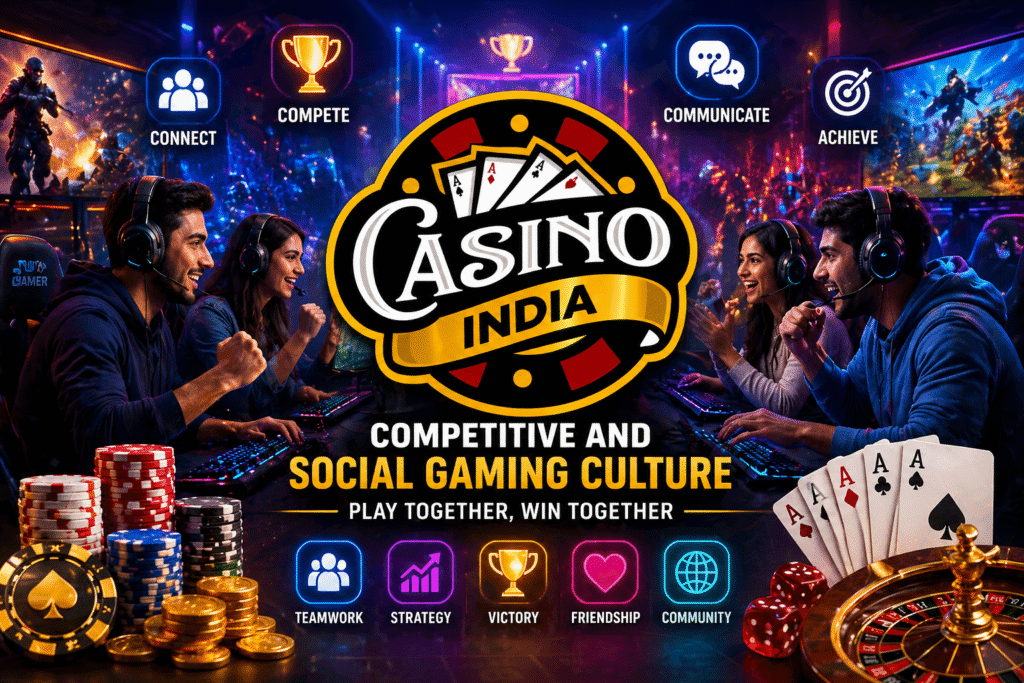
In recent years, gaming has evolved far beyond a simple form of entertainment. It has become a powerful social and competitive platform where millions of players interact daily. This transformation has been fueled by faster internet connections, improved hardware, and the growing popularity of online communities. What once was considered a solitary activity is now a shared experience that connects people across different regions, cultures, and age groups.
One of the biggest changes in modern gaming is the rise of competitive play. Many popular games are designed with competition at their core, encouraging players to improve their skills and climb rankings. This competitive element adds excitement and purpose, as players strive to outperform others and achieve recognition. For some, gaming has even turned into a professional career through esports. Competitive tournaments now attract large audiences, both online and in physical arenas, offering prize pools that rival traditional sports.
Alongside competition, the social aspect of gaming has grown significantly. Players are no longer limited to playing with people in the same room. Online multiplayer modes allow individuals to connect instantly with friends or strangers from around the world. Voice chat, messaging systems, and team-based gameplay encourage communication and cooperation. This sense of interaction often leads to lasting friendships and communities built around shared interests.
Streaming platforms like Twitch and YouTube have played a major role in shaping gaming culture. Watching others play games has become just as popular as playing them. Streamers entertain audiences with their skills, humor, and personalities, turning gameplay into a form of live entertainment. Viewers can engage through comments and chats, creating a sense of participation even when they are not actively playing. This has helped games reach wider audiences and maintain their popularity over time.
Another important factor contributing to the growth of gaming culture is the constant innovation in game design. Developers are focusing more on creating experiences that encourage interaction and creativity. Many games now include features such as customizable characters, user-generated content, and interactive events. These elements give players a sense of ownership and involvement, making the gaming experience more personal and engaging.
Mobile gaming has also contributed significantly to this cultural shift. With smartphones becoming more powerful, players can enjoy high-quality games anytime and anywhere. This convenience has expanded the gaming audience, bringing in people who may not own gaming consoles or PCs. Mobile games often include social features such as friend lists, leaderboards, and cooperative modes, further strengthening the sense of community.
The influence of gaming extends beyond entertainment into other areas of life. For example, teamwork-based games help players develop communication and problem-solving skills. Strategy games encourage critical thinking and planning, while fast-paced action games improve reflexes and coordination. In educational settings, certain games are even used as tools to enhance learning and engagement.
However, the rise of gaming culture also comes with challenges. Spending excessive time on games can impact productivity and physical health if not managed properly. It is important for players to maintain a balance between gaming and other responsibilities. Setting time limits and taking regular breaks can help ensure that gaming remains a positive and enjoyable activity.
Another concern is the online environment itself. While many gaming communities are welcoming and supportive, some can be competitive to the point of toxicity. Developers are increasingly implementing systems to promote fair play and respectful behavior, such as reporting tools and moderation features. Players also play a role in shaping the community by encouraging positive interactions and discouraging harmful behavior.
Despite these challenges, the growth of gaming culture shows no signs of slowing down. As technology continues to advance, the line between virtual and real-world experiences is becoming increasingly blurred. Innovations such as virtual reality and augmented reality are expected to take gaming to new heights, offering even more immersive experiences.
In conclusion, the rise of competitive and social gaming has transformed the way people interact with digital entertainment. It has created opportunities for connection, creativity, and even professional growth. While it is important to approach gaming with balance and responsibility, there is no denying its impact on modern culture. Gaming is no longer just a hobby—it is a global phenomenon that continues to evolve and bring people together in new and exciting ways.
🚀 The Future of Gaming: Innovation, Technology, and New Experiences
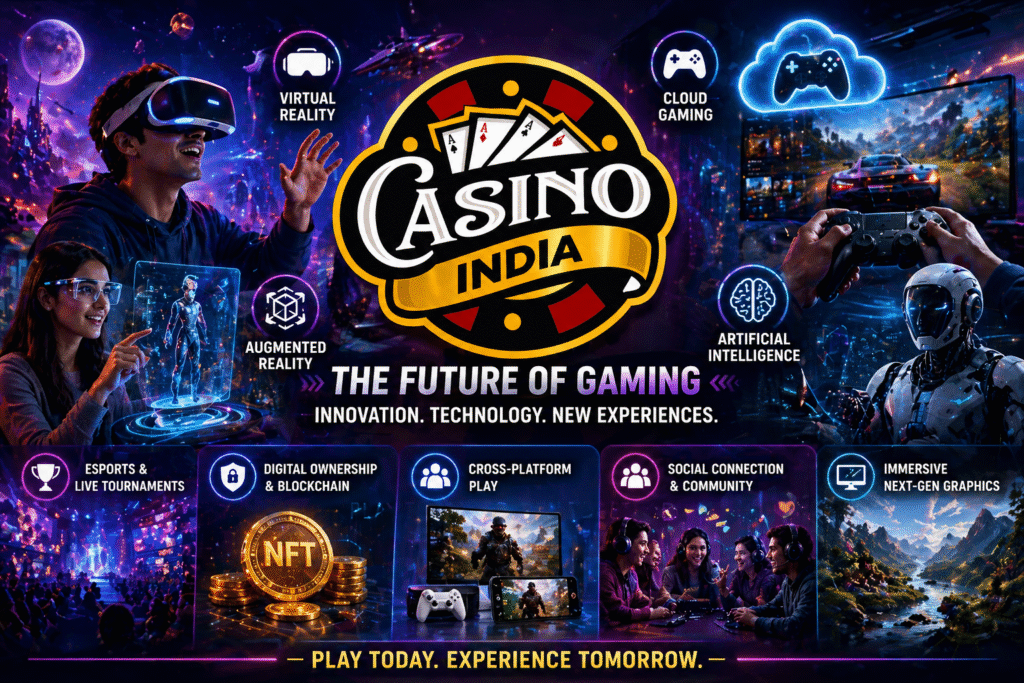
The gaming industry is constantly evolving, and the future promises even more exciting developments that will redefine how people play and interact with digital worlds. As technology continues to advance at a rapid pace, games are becoming more immersive, intelligent, and accessible than ever before. What once seemed like science fiction is now gradually becoming reality, opening the door to entirely new forms of entertainment.
One of the most talked-about innovations in gaming is virtual reality (VR). This technology allows players to step inside the game, experiencing it from a first-person perspective that feels incredibly real. Instead of simply controlling a character on a screen, players can move their bodies, look around, and interact with the environment as if they are truly part of it. This level of immersion creates a deeper emotional connection to the game, making every moment more engaging and memorable.
Alongside VR, augmented reality (AR) is also shaping the future of gaming. Unlike virtual reality, which creates a completely digital environment, AR blends digital elements with the real world. This means players can interact with virtual objects while still being aware of their physical surroundings. Games that use AR technology encourage movement and exploration, turning everyday locations into interactive playgrounds. This approach not only enhances entertainment but also promotes physical activity.
Artificial intelligence is another key factor driving innovation in gaming. Modern games are becoming smarter, with non-player characters (NPCs) that can adapt to a player’s actions and make decisions in real time. This creates more dynamic and unpredictable gameplay, ensuring that no two experiences are exactly the same. AI is also being used to personalize gaming experiences, adjusting difficulty levels and content based on individual player behavior.
Cloud gaming is revolutionizing accessibility in the gaming world. Traditionally, high-quality games required powerful hardware, which could be expensive and out of reach for many people. With cloud gaming, players can stream games directly to their devices without needing advanced equipment. This technology allows users to play high-end games on smartphones, tablets, or low-spec computers, making gaming more inclusive and widely available.
Another exciting development is the integration of blockchain technology and digital ownership. Some modern games are exploring ways for players to truly own in-game assets, such as skins, characters, or virtual items. These assets can sometimes be traded or sold, creating new opportunities within the gaming ecosystem. While this concept is still evolving, it has the potential to change how players interact with virtual economies.
The social aspect of gaming is also expected to grow even stronger in the future. Games are becoming more than just platforms for entertainment—they are turning into digital spaces where people can meet, communicate, and share experiences. Virtual events, concerts, and gatherings are already being hosted within games, attracting millions of participants. This trend suggests that gaming will continue to blur the line between entertainment and social networking.
Cross-platform gaming is another feature that is gaining popularity. Players are no longer restricted by the type of device they own. Whether someone uses a console, PC, or mobile phone, they can connect and play with others seamlessly. This inclusivity strengthens the gaming community and ensures that no one is left out due to hardware limitations.
In addition to technological advancements, game developers are focusing more on storytelling and emotional engagement. Modern games often feature rich narratives, complex characters, and meaningful choices that impact the outcome of the story. This shift has helped games gain recognition as a form of art, capable of delivering experiences that are just as powerful as movies or books.
However, as the gaming industry grows, it also faces new challenges. Issues such as data privacy, online safety, and responsible gaming are becoming increasingly important. Developers and platforms must work together to create safe environments where players can enjoy games without facing harmful content or behavior. At the same time, players should remain aware of their gaming habits and ensure a healthy balance between virtual and real-life activities.
Looking ahead, the future of gaming appears incredibly promising. With continuous innovation and the integration of new technologies, games will become more immersive, interactive, and inclusive. They will not only entertain but also connect people in ways that were previously unimaginable.
In conclusion, gaming is entering a new era defined by creativity and technological progress. From virtual reality to cloud gaming, the possibilities are endless. As these innovations continue to develop, players can expect richer experiences that go beyond traditional gameplay. The future of gaming is not just about playing—it is about living the experience in entirely new ways.
🎮 Responsible Gaming and Maintaining a Healthy Balance
As gaming continues to grow in popularity, it becomes increasingly important to focus on responsible habits and maintaining a healthy balance. While games offer entertainment, relaxation, and social interaction, excessive or unmanaged gaming can lead to negative consequences. Understanding how to enjoy gaming in a balanced way ensures that it remains a positive part of daily life rather than a disruptive one.
One of the first steps toward responsible gaming is recognizing the importance of time management. Modern games are designed to be engaging, often encouraging players to keep playing through rewards, levels, and achievements. While this can be motivating, it can also make it easy to lose track of time. Setting clear limits on how long to play each day helps prevent gaming from interfering with work, studies, or personal responsibilities. Creating a schedule that includes gaming as just one part of the day can help maintain a healthy routine.
Another important aspect is understanding the difference between casual enjoyment and dependency. Playing games for fun or relaxation is perfectly normal, but when gaming starts to replace essential activities such as sleep, exercise, or social interactions in the real world, it may be a sign of imbalance. Being aware of these changes allows individuals to take control before gaming becomes a problem. Simple steps like taking regular breaks, stepping away from screens, and engaging in other hobbies can make a big difference.
Physical health is also closely connected to gaming habits. Sitting for long periods without movement can lead to issues such as eye strain, poor posture, and fatigue. To avoid this, players should ensure they have a comfortable setup with proper seating and screen positioning. Taking short breaks every hour to stretch, walk around, or rest the eyes can help reduce physical strain. Staying hydrated and maintaining a balanced diet also contribute to overall well-being.
Mental health plays an equally important role in responsible gaming. While games can be a great way to relieve stress, they should not become the only method of coping with emotions. It is important to stay connected with real-life relationships and communicate with friends and family outside of gaming environments. If gaming starts to feel overwhelming or stressful, taking a break and focusing on other activities can help restore balance.
For players who engage in online gaming, maintaining a positive and respectful attitude is essential. Online communities can be highly interactive, but they can also sometimes become competitive or negative. Choosing to communicate respectfully and avoiding harmful behavior contributes to a better experience for everyone. Many platforms now provide tools to report or block inappropriate behavior, allowing players to protect their gaming environment.
Parents and guardians also play a key role in promoting responsible gaming for younger players. Setting age-appropriate limits, monitoring content, and encouraging a mix of activities can help children develop healthy habits. Open communication about gaming experiences allows parents to understand what their children are playing and how it affects them. This approach helps create a balanced relationship with gaming from an early age.
Another important factor is financial responsibility, especially in games that include in-app purchases or real-money elements. It is easy to spend money on virtual items without realizing how quickly costs can add up. Setting a budget and being mindful of spending ensures that gaming remains an affordable form of entertainment. Players should avoid chasing losses or making impulsive purchases, particularly in games that involve chance-based mechanics.
Developers and gaming platforms are also taking steps to promote responsible gaming. Features such as playtime reminders, spending limits, and parental controls are becoming more common. These tools are designed to help players stay aware of their habits and make informed decisions. While these features are helpful, personal awareness and discipline remain the most important factors in maintaining balance.
It is also worth noting that gaming can have many positive effects when approached responsibly. It can improve problem-solving skills, enhance coordination, and provide a sense of achievement. Multiplayer games can strengthen teamwork and communication skills, while creative games encourage imagination and innovation. By keeping gaming in moderation, players can enjoy these benefits without experiencing negative impacts.
In conclusion, responsible gaming is about finding the right balance between entertainment and everyday life. Games should enhance life, not control it. By managing time, maintaining physical and mental health, and making mindful choices, players can ensure that gaming remains a fun and rewarding activity. As the gaming industry continues to expand, adopting responsible habits will be key to enjoying everything it has to offer in a healthy and sustainable way.
🌍 The Impact of Gaming on Society and Modern Lifestyle
Gaming has grown into more than just a form of entertainment; it has become a significant part of modern society and daily life. Over the years, it has influenced how people communicate, learn, and even work. With millions of active players around the world, gaming now plays a role in shaping culture, technology, and social behavior in ways that were once unimaginable.
One of the most noticeable impacts of gaming is on communication. In the past, social interaction was limited to face-to-face conversations or phone calls. Today, online games provide a platform where people can connect instantly regardless of their location. Players collaborate, compete, and communicate in real time, often forming strong friendships that extend beyond the virtual world. For many individuals, gaming communities provide a sense of belonging and shared identity.
Gaming has also influenced how people spend their free time. Instead of traditional forms of entertainment such as watching television, many individuals now prefer interactive experiences where they can actively participate. This shift has made entertainment more engaging and personalized. Players can choose games that match their interests, whether it’s strategy, adventure, simulation, or competitive play. This flexibility allows gaming to appeal to a wide and diverse audience.
Another important area where gaming has made an impact is education. Many games are designed to challenge the mind, encouraging problem-solving, critical thinking, and decision-making. Educational games and simulations are increasingly being used in schools and training programs to make learning more interactive and effective. By combining fun with learning, games can help improve focus and retention, especially among younger audiences.
The gaming industry has also created new career opportunities. Professional gaming, content creation, game development, and streaming have opened doors for individuals to turn their passion into a profession. Platforms like YouTube and Twitch have enabled gamers to build audiences and earn income through their content. This has led to the rise of influencers and esports professionals who are recognized globally.
In addition to career growth, gaming has contributed to technological advancement. The demand for better graphics, faster performance, and more immersive experiences has pushed innovation in hardware and software development. Technologies such as virtual reality, artificial intelligence, and cloud computing have been influenced by the needs of the gaming industry. These advancements often extend beyond gaming and benefit other fields such as healthcare, education, and engineering.
Gaming also plays a role in cultural expression. Many games incorporate stories, characters, and environments inspired by different cultures and traditions. This exposure allows players to learn about diverse perspectives and experiences. In some cases, games even address real-world issues, encouraging players to think critically about topics such as ethics, society, and human behavior.
However, the impact of gaming is not entirely positive. Like any form of entertainment, it comes with challenges that need to be addressed. Excessive gaming can lead to reduced productivity, lack of physical activity, and social isolation if not managed properly. It is important for individuals to maintain a balance and ensure that gaming does not replace essential aspects of life such as work, education, and real-world relationships.
Another concern is the influence of in-game spending and microtransactions. While these features can enhance gameplay, they can also encourage excessive spending, especially among younger players. Being aware of these risks and practicing financial discipline is essential to avoid negative consequences.
Despite these challenges, the overall impact of gaming on society has been largely positive. It has created new ways for people to connect, learn, and express themselves. It has also driven innovation and opened up opportunities that did not exist before. As the industry continues to grow, its influence on modern lifestyle will likely become even stronger.
Looking ahead, gaming is expected to become even more integrated into everyday life. With advancements in technology, games may become more immersive, interactive, and accessible than ever before. They may serve not only as entertainment but also as tools for education, communication, and personal development.
In conclusion, gaming has become a powerful force in shaping modern society. It influences how people interact, learn, and experience the world around them. While it is important to be mindful of its challenges, embracing gaming in a balanced and responsible way allows individuals to enjoy its many benefits. As it continues to evolve, gaming will remain a central part of modern culture and lifestyle.
🧩 How to Choose the Right Game for You
With thousands of games available across different platforms, choosing the right one can sometimes feel overwhelming. Each game offers a unique experience, and what works for one player may not necessarily suit another. Understanding your preferences, goals, and available time can make it much easier to find a game that truly matches your interests and keeps you engaged in a positive way.
The first step in selecting the right game is identifying what type of experience you are looking for. Some players enjoy fast-paced action and competition, while others prefer calm and creative gameplay. If you like excitement and quick decision-making, action or battle-based games might be a good fit. On the other hand, if you enjoy building, exploring, or storytelling, simulation or adventure games may be more suitable. Knowing your preferred style helps narrow down the options and prevents you from wasting time on games that do not match your expectations.
Another important factor to consider is the platform you use. Games are available on various devices, including smartphones, personal computers, and gaming consoles. Each platform offers a different level of performance and accessibility. Mobile games are convenient and easy to access, making them ideal for short sessions. PC and console games often provide more detailed graphics and complex gameplay, which may appeal to players looking for a deeper experience. Choosing a game that runs smoothly on your device ensures a better overall experience.
Time commitment is also a key consideration. Some games require only a few minutes to play, while others demand hours of continuous engagement. If you have a busy schedule, it is better to choose games that allow flexible playtime. Casual games are designed for short sessions and can be enjoyed without long-term commitment. In contrast, role-playing or strategy games often involve extended gameplay and progression systems that require consistent time investment. Being realistic about how much time you can dedicate helps you avoid frustration and burnout.
Multiplayer versus single-player gameplay is another aspect to think about. Multiplayer games allow you to interact with other players, making them more social and dynamic. They are great for those who enjoy teamwork, competition, and communication. However, they can sometimes be unpredictable and require a stable internet connection. Single-player games, on the other hand, offer a more controlled and story-driven experience. They are ideal for players who prefer to play at their own pace without external pressure.
Budget is also an important factor when choosing a game. While many games are free to play, they may include in-app purchases or additional content that costs money. Paid games usually offer a complete experience without constant prompts to spend. Setting a budget and understanding the cost structure of a game can help you make smarter decisions. It is always a good idea to read reviews or watch gameplay videos before making a purchase to ensure that the game is worth your investment.
Game reviews and community feedback can provide valuable insights. Other players often share their experiences, highlighting both the strengths and weaknesses of a game. This information can help you understand what to expect and avoid potential disappointments. Watching gameplay videos or streams can also give you a clearer idea of how a game looks and feels before you start playing.
Another factor to consider is the learning curve. Some games are easy to pick up and play, while others require time and effort to master. If you are new to gaming, starting with simpler games can help you build confidence and skills. As you become more comfortable, you can gradually explore more complex titles. Choosing a game that matches your skill level ensures a more enjoyable and less stressful experience.
Personal goals also play a role in selecting the right game. Some players want to relax and unwind, while others aim to compete and improve their skills. Understanding your purpose for playing helps you choose a game that aligns with your mindset. For example, if your goal is to reduce stress, a calm and creative game may be more suitable than a highly competitive one.
It is also important to consider the overall environment of the game. Some games have supportive and friendly communities, while others can be highly competitive or even toxic. Choosing games with positive communities can enhance your experience and make it more enjoyable. Many platforms provide tools to manage interactions, allowing you to control who you communicate with and how you engage with others.
In conclusion, choosing the right game is about understanding yourself as much as it is about understanding the game. By considering factors such as genre, platform, time commitment, budget, and personal preferences, you can find games that provide both enjoyment and value. With so many options available, taking a thoughtful approach ensures that your gaming experience remains fun, rewarding, and perfectly suited to your lifestyle.
🤝 Our Partner Website & Trusted Gaming Network
In the fast-growing world of digital entertainment, trust and reliability play a crucial role in shaping a positive user experience. As the popularity of online platforms continues to rise, players are becoming more conscious about where they spend their time and engage with content. This is why being part of a trusted network is essential—not only for credibility but also for ensuring a safe and enjoyable environment for users.
Our platform is proud to be connected with a network that values transparency, quality, and user satisfaction. We understand that players today are not just looking for entertainment; they are also looking for platforms they can rely on. A trusted gaming network provides consistency, security, and a sense of confidence that enhances the overall experience. It ensures that users can focus on enjoying their favorite activities without unnecessary concerns.
One of the key aspects of a strong partnership network is shared values. Platforms that collaborate within a trusted network often prioritize user experience, fair practices, and continuous improvement. This alignment helps maintain high standards across all associated platforms. When users interact with any part of the network, they can expect a similar level of quality and professionalism.
As part of this ecosystem, we are connected with reputable platforms such as Dream11 through its global presence at https://dream11.global/. This connection reflects our commitment to aligning with platforms that are recognized for their innovation and user engagement. By being associated with such networks, we aim to provide our audience with reliable information and a seamless experience.
A trusted network also plays an important role in promoting responsible engagement. Platforms within the network often follow guidelines that encourage fair usage, transparency, and user awareness. This helps create a healthier digital environment where users can participate confidently. It also ensures that the focus remains on enjoyment, skill development, and positive interaction.
Another benefit of being part of a trusted network is access to a wider community. Users are not limited to a single platform; instead, they become part of a broader ecosystem where they can explore different experiences. This interconnected approach enhances engagement and provides more opportunities for users to discover new features and services.
Security is another critical factor that defines a trusted network. With increasing concerns around data privacy and online safety, users expect platforms to protect their information and maintain secure systems. Being associated with reliable partners helps strengthen these measures and build user confidence. A secure environment allows users to engage freely without worrying about potential risks.
Moreover, trusted partnerships contribute to continuous growth and innovation. Platforms within a network often share insights, ideas, and advancements that help improve overall performance. This collaborative approach ensures that users benefit from the latest developments and improvements. It also helps maintain relevance in a rapidly evolving digital landscape.
Building trust takes time, but maintaining it requires consistent effort. Our goal is to continue strengthening our network by aligning with platforms that share our vision of quality and reliability. By doing so, we aim to provide a space where users feel comfortable, informed, and engaged.
In conclusion, being part of a trusted gaming network is about more than just partnerships—it is about creating a dependable ecosystem for users. Through collaborations with recognized platforms and a commitment to high standards, we strive to deliver a reliable and enjoyable experience. As the digital world continues to expand, trust will remain the foundation that connects platforms and users, ensuring long-term success and satisfaction.
❓ Frequently Asked Questions About Popular Games
1. What are popular games and why are popular games so widely played?
Popular games are titles that attract a large number of players across different platforms such as mobile, PC, and consoles. The reason popular games are so widely played is because they offer engaging gameplay, easy accessibility, and regular updates. Popular games are designed to appeal to a broad audience, which makes them enjoyable for both beginners and experienced players. Another reason popular games gain attention is their social features, allowing players to connect, compete, and collaborate with others around the world.
2. Which popular games are trending right now?
Many popular games continue to trend due to their gameplay and community support. Titles like Fortnite, Minecraft, PUBG: Battlegrounds, and Call of Duty: Warzone are some of the most recognized popular games. These popular games remain relevant because developers continuously add new content and features. The ability of popular games to evolve over time is one of the main reasons they stay at the top of the gaming charts.
3. Are popular games free to play?
Many popular games are free to play, especially on mobile platforms. However, popular games often include optional in-game purchases such as skins, upgrades, or additional content. While these purchases can enhance the experience, they are usually not required to enjoy the core gameplay. Some popular games are paid, offering a complete experience without additional costs. Understanding the pricing model of popular games helps players make informed decisions.
4. Why do popular games have such large communities?
Popular games build large communities because they encourage interaction and engagement. Multiplayer features in popular games allow players to team up or compete with others globally. Social features such as chat, leaderboards, and events make popular games more interactive. Additionally, streaming platforms and online content have helped popular games reach wider audiences, further expanding their communities.
5. Can playing popular games improve skills?
Yes, playing popular games can help develop various skills. Many popular games require strategic thinking, quick decision-making, and problem-solving. Action-based popular games can improve reflexes and coordination, while strategy-based popular games enhance planning and critical thinking. Popular games that involve teamwork also help improve communication and collaboration skills.
6. Are popular games safe for children?
Most popular games are safe for children if they are age-appropriate. Many popular games include parental controls and content ratings to guide parents. It is important for parents to monitor the type of popular games their children play and set limits on screen time. Choosing suitable popular games ensures a safe and enjoyable experience for younger players.
7. How do I choose the best popular games for me?
Choosing the best popular games depends on your personal preferences. Some people prefer action-packed popular games, while others enjoy relaxing or creative experiences. Consider factors such as gameplay style, platform, and time commitment when selecting popular games. Reading reviews and watching gameplay videos can also help you find popular games that match your interests.
8. Do popular games require internet access?
Many popular games, especially multiplayer ones, require a stable internet connection. Online popular games depend on connectivity for real-time interaction with other players. However, some popular games offer offline modes, allowing players to enjoy the game without an internet connection. Checking the requirements of popular games before playing is always recommended.
9. How do popular games stay relevant for so long?
Popular games remain relevant because developers continuously update them with new features, events, and improvements. Regular updates keep popular games fresh and engaging, encouraging players to return. Community involvement and feedback also play a role in shaping popular games over time. This ongoing evolution helps popular games maintain their popularity.
10. Is it okay to play popular games every day?
Playing popular games every day is fine as long as it is done in moderation. Popular games should be part of a balanced lifestyle that includes work, study, physical activity, and social interaction. Setting time limits and taking breaks ensures that playing popular games remains healthy and enjoyable. Responsible gaming habits allow players to enjoy popular games without negative effects.
🎮 Final Note
Popular games continue to grow in popularity because they combine entertainment, technology, and social interaction. Whether you are new to gaming or an experienced player, popular games offer endless opportunities for fun and engagement. By choosing the right popular games and maintaining a balanced approach, you can fully enjoy everything that the world of popular games has to offer.
🎯 Conclusion: The Ever-Growing World of Popular Games
Popular games have become one of the most influential forms of entertainment in today’s digital world. From casual mobile titles to highly competitive esports experiences, popular games continue to shape how people spend their time, interact with others, and engage with technology. The rise of popular games is not just a trend—it reflects a major shift in global culture where gaming has become a central part of everyday life.
One of the key reasons behind the success of popular games is their ability to appeal to a wide audience. Popular games are designed to be accessible, engaging, and diverse, offering something for players of all ages and interests. Whether someone enjoys action-packed adventures, strategic challenges, or relaxing simulations, popular games provide endless options. This versatility ensures that popular games remain relevant and continue to attract new players every day.
Another important factor is the constant evolution of popular games. Developers regularly update popular games with new content, features, and improvements to keep players engaged. This ongoing development keeps popular games fresh and exciting, preventing them from becoming repetitive. As a result, many popular games maintain their success for years, building strong communities and loyal player bases.
The social aspect of popular games also plays a major role in their growth. Many popular games allow players to connect with friends or meet new people from around the world. This sense of community transforms popular games into shared experiences rather than solitary activities. Players can collaborate, compete, and communicate, making popular games a powerful tool for building relationships and fostering teamwork.
Technology has further enhanced the appeal of popular games. Advances in graphics, artificial intelligence, and online connectivity have made popular games more immersive than ever before. Features such as virtual reality and cloud gaming are pushing popular games into new territories, offering experiences that were once unimaginable. As technology continues to improve, popular games will become even more realistic, interactive, and accessible.
The impact of popular games extends beyond entertainment. Popular games contribute to skill development, including problem-solving, decision-making, and coordination. Many popular games encourage creativity and strategic thinking, helping players develop valuable abilities that can be applied in real-life situations. Additionally, popular games have created new career opportunities in fields such as esports, content creation, and game development.
Despite their many benefits, it is important to approach popular games responsibly. While popular games can be highly engaging, maintaining a healthy balance between gaming and other aspects of life is essential. Setting time limits, taking breaks, and staying mindful of gaming habits ensures that popular games remain a positive influence rather than a distraction. Responsible gaming allows players to enjoy popular games without negatively impacting their daily routines.
Looking ahead, the future of popular games is incredibly promising. With continuous innovation and growing global interest, popular games will continue to evolve and expand. New technologies, creative ideas, and changing player preferences will shape the next generation of popular games. This ongoing progress ensures that popular games will remain a dominant force in the entertainment industry for years to come.
In conclusion, popular games are more than just a form of entertainment—they are a global phenomenon that connects people, drives innovation, and shapes modern culture. The enduring appeal of popular games lies in their ability to adapt, engage, and inspire players around the world. As the gaming industry continues to grow, popular games will remain at the forefront, offering exciting experiences and opportunities for everyone. Whether you are a casual player or a dedicated gamer, the world of popular games is full of possibilities waiting to be explored.