

Introduction: Why Creating an ID Matters Today
In today’s fast-moving world, having a valid ID is more than just a formality—it is a necessity. Whether you are a student, a working professional, or someone accessing online services, an identification document plays a crucial role in everyday life. From opening a bank account to verifying your identity on digital platforms, an ID acts as your official recognition in both physical and digital spaces.
At its core, an ID is a document that confirms who you are. It typically contains essential personal details such as your name, photograph, date of birth, and sometimes a unique identification number. While this may sound simple, the importance of an ID goes far beyond basic identification. It builds trust, ensures security, and allows institutions to verify individuals efficiently.
One of the primary reasons IDs are important is security. In a world where identity theft and fraud are increasing, having a standardized way to prove identity helps prevent misuse and protects individuals. For example, when you present an ID at an airport, office, or official institution, it ensures that you are recognized as the correct person. This verification process is essential in maintaining order and safety.
Another important aspect is accessibility. Many services today require identity verification before access is granted. Without an ID, it becomes difficult to avail benefits such as banking services, government schemes, education enrollment, or even mobile connections. In simple terms, an ID acts as a gateway to opportunities and services that are otherwise inaccessible.
The rise of digital platforms has further increased the importance of IDs. Today, creating an online account often requires identity verification through email, phone number, or official documents. Digital IDs are becoming just as important as physical ones, especially as more services shift online. This transformation highlights the need for individuals to understand how IDs are created and managed.
Creating an ID might seem complicated at first, especially for beginners. However, once you understand the basic steps and requirements, the process becomes much easier. Different types of IDs serve different purposes. For instance, a government-issued ID is used for legal and official verification, while a school or office ID is meant for institutional identification. Similarly, digital IDs are used to access online platforms and services.
It is also important to understand that creating an ID is not just about filling out a form. It involves providing accurate information, submitting the required documents, and sometimes undergoing a verification process. This ensures that the ID issued is authentic and reliable. Any mistake during this process can lead to delays or rejection, which is why attention to detail is essential.
Moreover, IDs are not just about identification—they also represent responsibility. When you hold an ID, you are accountable for its use. Misusing or sharing your ID information can lead to serious consequences, including fraud or identity theft. Therefore, it is equally important to keep your ID safe and secure.
In many cases, people delay creating an ID because they are unsure of the process or requirements. This hesitation can lead to missed opportunities, especially when an ID is required urgently. By understanding how to create an ID in advance, you can avoid unnecessary stress and be prepared when the need arises.
This guide is designed to simplify the entire process for you. Whether you need a government ID, a school or office ID, or a digital identity, the steps are generally straightforward when broken down properly. By following the right approach, gathering the necessary information, and choosing the correct platform, you can create your ID without confusion.
In conclusion, an ID is not just a document—it is an essential part of modern life. It connects you to services, ensures your security, and establishes your identity in various systems. Learning how to create one is a valuable skill that can save time and effort in the long run. As you move forward, understanding the process will help you create your ID smoothly and confidently.
Understanding the Different Types of IDs
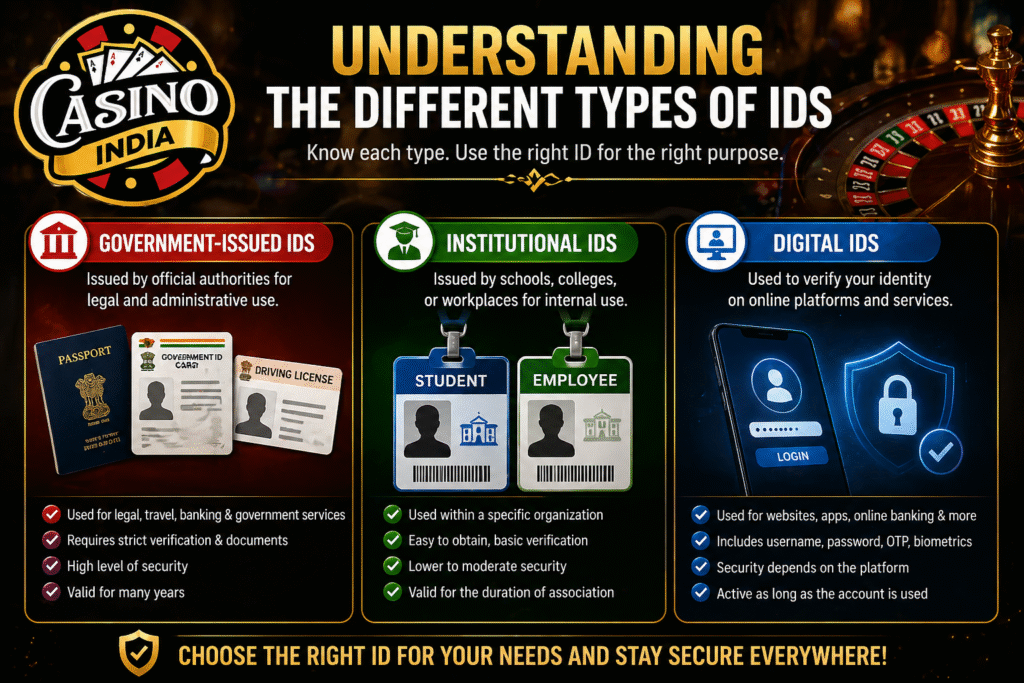
Before starting the process of creating an ID, it is important to understand that not all IDs are the same. Each type serves a different purpose, and the process of obtaining one can vary depending on its use. Having clarity about the kind of ID you need will save time and prevent confusion later.
Broadly speaking, IDs can be divided into three main categories: government-issued IDs, institutional IDs, and digital IDs. Each of these plays a specific role in everyday life and is used in different situations.
Government-issued IDs are the most widely recognized form of identification. These include documents such as passports, national identity cards, and driver’s licenses. They are issued by official authorities and are used for legal and administrative purposes. For example, you may need a government ID to open a bank account, apply for a job, travel, or access government services. Because of their importance, the process of creating these IDs usually involves strict verification, including document checks and sometimes biometric data collection. This ensures that the identity recorded is accurate and secure.
Institutional IDs, on the other hand, are issued by organizations such as schools, colleges, or workplaces. These IDs are mainly used to identify individuals within a specific environment. A student ID card, for instance, allows access to campus facilities, libraries, and examinations. Similarly, an employee ID helps maintain security and track attendance within a company. Unlike government IDs, these are easier to obtain. Usually, you only need to provide basic details and a photograph to the institution, and they handle the rest of the process.
Digital IDs have become increasingly important in recent years. As more services move online, the need for virtual identification has grown rapidly. A digital ID can be as simple as a username and password used to access a website, or it can involve more advanced verification methods such as email confirmation, phone number authentication, or even biometric login systems. Social media accounts, online banking, and e-commerce platforms all rely on digital IDs to verify users and protect their data.
One key difference between these types of IDs is the level of security involved. Government IDs require the highest level of verification because they are used for legal purposes. Institutional IDs have moderate security, as they are limited to a specific organization. Digital IDs vary widely, depending on the platform and the sensitivity of the information involved.
Another important factor to consider is validity and usage. Government IDs are usually valid for several years and are accepted across multiple platforms and services. Institutional IDs are valid only for the duration of your association with the organization. For example, a student ID may expire once you graduate. Digital IDs, however, can remain active as long as you continue to use the platform and follow its guidelines.
It is also worth noting that some situations may require more than one type of ID. For instance, while signing up for an online service, you might be asked to verify your account using a government-issued ID. Similarly, an employee may need both a company ID and a government ID for official documentation. Understanding how these IDs work together can help you stay prepared.
Choosing the right type of ID depends entirely on your needs. If you are looking to access official services or prove your identity in legal matters, a government-issued ID is essential. If your goal is to identify yourself within an organization, an institutional ID will be sufficient. For accessing online platforms, a digital ID is required.
In conclusion, understanding the different types of IDs is a crucial first step in the creation process. Each type serves a unique purpose and comes with its own requirements and level of importance. By identifying which ID you need and why you need it, you can approach the process with confidence and avoid unnecessary delays. This knowledge forms the foundation for the next steps, where you will learn how to gather the required information and complete the application process smoothly.
Step-by-Step Process to Create an ID
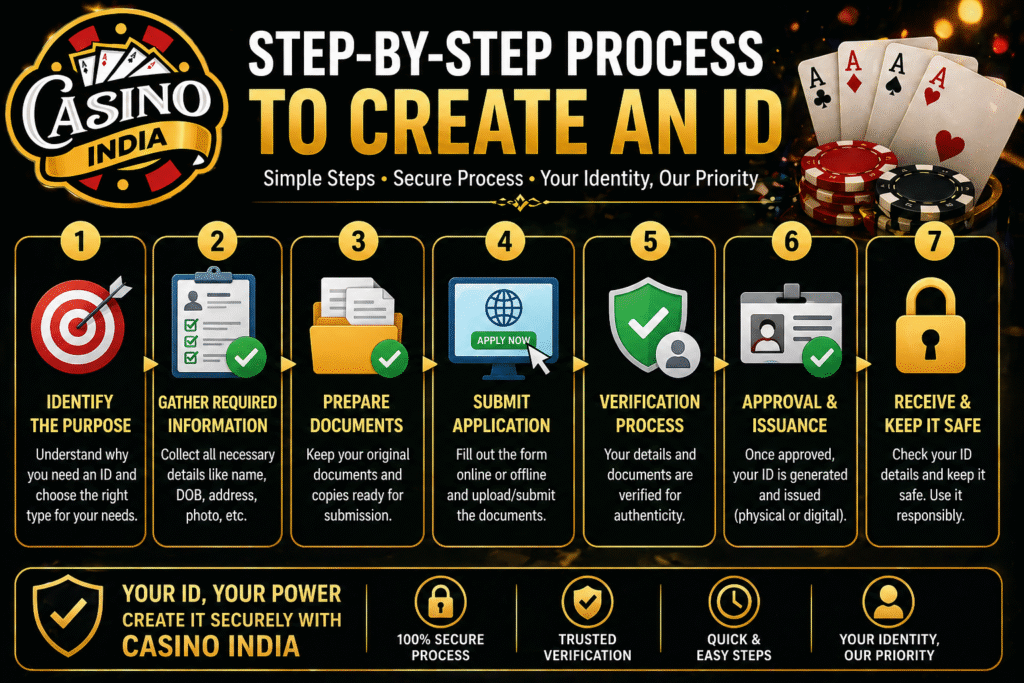
Once you understand the different types of IDs and their purposes, the next step is to learn how to actually create one. While the process may vary depending on the type of ID, the overall approach remains quite similar. By following a structured method, you can complete the process smoothly without confusion or delays.
The first step in creating an ID is identifying the exact purpose. This might sound basic, but it is often overlooked. You need to be clear about why you need the ID—whether it is for official use, educational purposes, workplace access, or online platforms. This clarity helps you choose the right type of ID and ensures that you follow the correct procedure from the beginning.
After determining the purpose, the next step is gathering the required information. Most IDs require a standard set of details, including your full name, date of birth, address, and a recent photograph. In some cases, additional details such as contact information or a guardian’s name may also be needed. Accuracy is extremely important here. Even a small mistake in spelling or numbers can cause delays or complications later in the process.
For official or government IDs, you will also need supporting documents. These may include proof of identity, proof of address, and sometimes proof of date of birth. It is a good practice to keep both original documents and copies ready before starting your application. This preparation saves time and helps you avoid unnecessary interruptions.
Once your documents and information are ready, you can move on to the application stage. Depending on the type of ID, this can be done either online or offline. For online applications, you usually need to visit the official website, fill out a form, and upload the required documents. Make sure you are using a secure and official platform to avoid any risk of fraud. For offline applications, you may need to visit a designated center or office and submit your details in person.
During the application process, take your time to review all the information before submitting. Many people rush through this step and later realize that they have entered incorrect details. Double-checking everything ensures that your application moves forward without issues.
The next step is verification. This is a crucial part of the ID creation process. Verification methods can vary depending on the type of ID. For example, government IDs often involve document verification and biometric checks such as fingerprints or photographs. Institutional IDs may only require confirmation from the organization, while digital IDs might involve email or phone verification.
Verification is done to ensure that the information provided is genuine and that the ID is issued to the correct person. This step adds a layer of security and prevents misuse or duplication. It may take some time, so patience is important during this phase.
After successful verification, your ID moves to the approval stage. Once approved, the ID is generated and issued. Physical IDs are usually printed and either mailed to your address or handed over at a designated location. Digital IDs, on the other hand, are often available immediately after approval and can be accessed through an account or application.
Even after receiving your ID, your responsibility does not end there. It is important to check all the details carefully. Ensure that your name, photograph, and other information are correct. If you notice any errors, report them immediately to the issuing authority so they can be corrected.
Another important aspect is keeping your ID safe. Whether it is a physical card or a digital account, your ID contains sensitive information. Avoid sharing it unnecessarily and always use secure methods when storing or accessing it. For digital IDs, using strong passwords and enabling additional security features can help protect your identity.
Finally, remember that some IDs have an expiration date. It is your responsibility to renew them when required. Keeping track of validity ensures that you do not face issues when using your ID for important purposes.
In conclusion, creating an ID is a step-by-step process that becomes simple when approached correctly. By understanding your needs, preparing your documents, carefully completing the application, and following through with verification, you can obtain your ID without hassle. Taking the time to do each step properly not only saves effort but also ensures that your ID remains valid, secure, and useful in the long run.
Common Mistakes to Avoid When Creating an ID
While creating an ID may seem like a simple process, many people make small mistakes that can lead to delays, rejections, or even security risks. Understanding these common errors in advance can help you avoid unnecessary complications and ensure that your ID is created smoothly and correctly the first time.
One of the most frequent mistakes is entering incorrect or inconsistent information. Even a minor spelling error in your name or a wrong digit in your date of birth can cause serious issues. Since most IDs are used for verification purposes, any mismatch between your ID and supporting documents can lead to rejection. It is always a good idea to double-check every detail before submitting your application.
Another common issue is using outdated or unclear photographs. Many ID applications require a recent photo that meets specific guidelines, such as a plain background, proper lighting, and a clear view of your face. Submitting a low-quality or inappropriate image can delay the process or result in your application being rejected. Taking the time to use a proper photo can make a big difference.
Failing to provide complete documentation is also a major problem. People often forget to attach all the required documents or submit incorrect ones. This can slow down the verification process or force you to restart your application. Before applying, carefully review the list of required documents and ensure everything is ready and valid.
Another mistake that people make is applying through unofficial or untrusted platforms. With the increase in online services, there are many fake websites that claim to offer ID creation services. These platforms can misuse your personal information or even scam you. Always use official websites or authorized centers when applying for any type of ID. Checking the authenticity of the platform is a crucial step that should never be ignored.
Rushing through the application process is another common error. Many applicants try to complete the process quickly without paying attention to details. This often leads to mistakes that could have been easily avoided. Taking a few extra minutes to carefully review your application can save you a lot of time and effort later.
Ignoring instructions is another issue that can create problems. Each ID application has specific guidelines, whether it is about document format, file size, or verification steps. Not following these instructions properly can result in delays or rejection. Reading and understanding the requirements beforehand ensures that your application meets all the necessary criteria.
Some people also neglect the importance of verification steps. Whether it is email confirmation, phone verification, or biometric checks, these steps are essential for completing the process. Skipping or delaying them can prevent your ID from being approved. Make sure you complete all verification steps promptly to avoid unnecessary delays.
Security is another area where mistakes often occur. Sharing your ID details with unknown sources or storing them in unsecured places can put your identity at risk. In the case of digital IDs, using weak passwords or not enabling additional security features can make your account vulnerable. It is important to treat your ID information as sensitive and protect it accordingly.
Another overlooked mistake is not checking the final ID after receiving it. Many people assume that everything is correct once the ID is issued. However, errors can still occur during processing. If you notice any incorrect details, it is important to report them immediately and request corrections. Ignoring such issues can create problems in the future when the ID is used for verification.
Lastly, many individuals forget to track the status of their application. Not keeping an eye on updates can cause you to miss important notifications or deadlines. Regularly checking the status helps you stay informed and take action if any additional steps are required.
In conclusion, avoiding these common mistakes can make the ID creation process much easier and more efficient. Paying attention to details, following instructions carefully, and using secure platforms are key factors in ensuring a smooth experience. By being mindful of these potential errors, you can save time, avoid frustration, and successfully create your ID without unnecessary complications.
Benefits of Having a Valid ID
Having a valid ID is something many people take for granted, yet its importance becomes clear the moment it is needed. An ID is more than just a card or a digital record—it is a key that unlocks access to essential services, opportunities, and everyday conveniences. Whether used for personal, professional, or digital purposes, a valid ID plays a central role in modern life.
One of the most significant benefits of having a valid ID is the ability to prove your identity when required. In many situations, you may be asked to confirm who you are, whether it is at a bank, an airport, a workplace, or even while making an online transaction. A valid ID provides a reliable way to verify your identity quickly and efficiently. Without it, even simple tasks can become difficult or time-consuming.
Another major advantage is access to financial services. Opening a bank account, applying for loans, or using digital payment systems often requires identity verification. A valid ID ensures that you can participate in these services without complications. It also helps financial institutions maintain security and prevent fraudulent activities, which benefits both the user and the system as a whole.
A valid ID is also essential for accessing government services and benefits. Many public programs and schemes require identity verification before they can be used. Whether it is healthcare, education support, or social welfare programs, having a proper ID ensures that you can take advantage of these opportunities without delays. In many cases, it is the primary requirement for eligibility.
In the professional world, an ID is equally important. Employers often require identification during the hiring process to verify personal details and maintain records. Workplace IDs also help ensure security within organizations by allowing only authorized individuals to access certain areas. For employees, it serves as proof of association with the company and can be used for various internal processes.
Travel is another area where a valid ID becomes indispensable. Whether traveling domestically or internationally, identification is required at multiple stages, such as booking tickets, checking in, and passing through security. Without a valid ID, travel plans can be disrupted or even canceled. Having the correct identification ensures a smooth and hassle-free experience.
In addition to physical uses, IDs are increasingly important in the digital world. Many online platforms require users to verify their identity before granting access to services. This includes social media accounts, online banking, and various applications. A valid ID helps create a secure environment by ensuring that users are genuine and accountable. It also protects individuals from unauthorized access and identity theft.
Another benefit of having a valid ID is convenience. Many everyday activities, such as checking into hotels, renting vehicles, or even accessing certain buildings, require identification. Having your ID readily available makes these processes quicker and more efficient. It reduces the need for additional verification and allows you to complete tasks without unnecessary delays.
A valid ID also contributes to personal security. In case of emergencies, having an ID can help authorities or medical personnel identify you and contact your family or relevant individuals. This can be especially important in situations where quick action is required. It ensures that you receive the appropriate assistance without confusion.
Furthermore, having a valid ID builds credibility and trust. Whether you are interacting with institutions, employers, or online platforms, being able to present a valid ID shows that you are a verified individual. This can enhance your reputation and make it easier to establish connections or complete transactions.
It is also worth noting that a valid ID simplifies record-keeping and documentation. Many systems rely on identification numbers to organize and manage information efficiently. Having a consistent and recognized ID helps streamline these processes and reduces the chances of errors or duplication.
In conclusion, the benefits of having a valid ID extend far beyond simple identification. It provides access to essential services, enhances security, and adds convenience to daily life. From financial transactions to travel and digital access, an ID plays a crucial role in ensuring smooth interactions in various aspects of life. Understanding its importance encourages individuals to create and maintain their IDs responsibly, making it an invaluable asset in today’s world.
Our Partner Websites and Trusted Betting Network
When learning how to create an ID, choosing the right platform is just as important as understanding the process itself. A secure and trusted network ensures that your personal information remains protected while giving you access to reliable services. This is why many users, while exploring how to create an ID, prefer platforms that are connected with verified and well-established partners.
One such trusted platform is dream11.global, which is widely recognized for its secure environment and user-friendly experience. If you are searching for how to create an ID on a reliable platform, using a trusted network like this can make the process smoother and safer. It not only simplifies how to create an ID but also ensures that your information is handled with proper security measures.
Understanding how to create an ID becomes much easier when you are working within a trusted ecosystem. Partner websites play a crucial role in maintaining standards, improving user experience, and ensuring that verification processes are handled correctly. When you choose a platform connected to a trusted betting network, you reduce the risks associated with fake or unsecured websites. This is especially important for beginners who are still learning how to create an ID and may not be familiar with identifying secure platforms.
Another advantage of using trusted partner websites while learning how to create an ID is the streamlined process. These platforms are designed to guide users step by step, making it easier to complete registration, verification, and approval. Instead of dealing with complicated procedures, users can follow a clear path that explains how to create an ID efficiently and without confusion.
Security is one of the biggest concerns when it comes to how to create an ID. Trusted networks like dream11.global use advanced systems to protect user data and prevent unauthorized access. This ensures that your personal details remain safe throughout the process. When you understand how to create an ID within a secure platform, you gain confidence in sharing your information without worrying about misuse.
In addition to security, trusted partner platforms also offer better reliability. When you are learning how to create an ID, you want a system that works smoothly without technical issues or delays. Reliable websites ensure that your application is processed correctly and that you receive your ID without unnecessary complications. This makes the entire experience of how to create an ID more efficient and stress-free.
Another important factor is user support. Many trusted platforms provide assistance to users who are learning how to create an ID for the first time. Whether it is answering questions, resolving issues, or guiding you through the steps, having access to support can make a significant difference. It helps you avoid mistakes and ensures that you complete the process successfully.
It is also worth noting that trusted betting networks maintain transparency in their processes. When you are exploring how to create an ID, transparency helps you understand what information is required, how it will be used, and what steps are involved. This clarity builds trust and allows users to proceed with confidence.
For those who are new and unsure about how to create an ID, starting with a trusted partner website is a smart choice. It eliminates many of the risks associated with unknown platforms and provides a structured approach to the process. By following a reliable system, you can focus on completing your ID creation without worrying about security or authenticity.
In conclusion, learning how to create an ID is not just about filling out forms—it is also about choosing the right platform. Trusted partner websites and networks, such as dream11.global, play a vital role in ensuring a secure, smooth, and reliable experience. By using a verified platform, you can confidently complete the process of how to create an ID while keeping your information safe and protected. This combination of knowledge and trust is what ultimately leads to a successful and hassle-free ID creation experience.
Conclusion: How to Create an ID the Right Way
Understanding how to create an ID is no longer optional in today’s world—it is a necessary skill that affects almost every aspect of daily life. From accessing essential services to building a secure digital presence, knowing how to create an ID properly can save time, prevent errors, and open doors to countless opportunities. Throughout this guide, we have explored every important step, and by now, you should have a clear idea of how to create an ID without confusion.
The process of how to create an ID begins with understanding your purpose. Whether you need it for official, educational, or online use, identifying the right type is the first step toward success. Many people face problems because they do not clearly understand how to create an ID based on their needs. By choosing the correct type—government, institutional, or digital—you lay a strong foundation for the entire process.
Another key part of learning how to create an ID is preparing accurate information. Details such as your name, date of birth, and address must be correct and consistent. Mistakes at this stage can lead to delays or rejection, which is why careful preparation is essential. When you truly understand how to create an ID, you realize that accuracy is just as important as the process itself.
The application stage is where most people actively engage with how to create an ID. Whether applying online or offline, following instructions carefully is crucial. Many applicants rush through forms without reviewing their details, which often leads to avoidable errors. A proper understanding of how to create an ID includes taking your time, reviewing your application, and ensuring everything is complete before submission.
Verification is another critical step in how to create an ID. This stage ensures that the information provided is genuine and secure. Depending on the type of ID, verification may include document checks, email confirmation, or biometric data. Knowing how to create an ID also means understanding that this step cannot be skipped or ignored. It is designed to protect both the individual and the system from fraud or misuse.
Once your ID is approved, your journey in learning how to create an ID does not end there. It is equally important to check the final details and ensure everything is correct. Any errors should be reported immediately to avoid complications later. A complete understanding of how to create an ID includes this final review step, which many people overlook.
Security is another major aspect of how to create an ID. After receiving your ID, keeping it safe should be a priority. Whether it is a physical card or a digital account, your ID contains sensitive information that must be protected. Knowing how to create an ID also involves knowing how to store it securely, avoid sharing it unnecessarily, and use strong passwords for digital access.
In addition, staying aware of common mistakes helps improve your approach to how to create an ID. Errors such as incorrect information, poor-quality photos, or incomplete documents can slow down the process. By avoiding these mistakes, you can ensure that your experience of how to create an ID is smooth and hassle-free.
The importance of how to create an ID extends beyond just obtaining a document. It connects you to financial services, government benefits, travel opportunities, and digital platforms. Without a proper understanding of how to create an ID, accessing these services can become difficult. This is why learning and applying the correct steps is so valuable.
As technology continues to grow, the concept of how to create an ID is also evolving. Digital identities are becoming more common, and secure verification methods are constantly improving. Staying updated with these changes ensures that your knowledge of how to create an ID remains relevant in the future.
In conclusion, mastering how to create an ID is an essential part of modern life. It is not just about completing a process but about doing it correctly, securely, and responsibly. By following the right steps, avoiding common mistakes, and protecting your information, you can confidently handle any situation that requires identification. Once you fully understand how to create an ID, you gain control over an important aspect of your personal and digital identity, making your life more organized, secure, and accessible.
Frequently Asked Questions (FAQ) – How to Create an ID
When people search for how to create an ID, they often have similar questions and concerns. While the process may seem simple, there are many small details that can create confusion. This FAQ section answers the most common queries related to how to create an ID, helping you understand the process more clearly and avoid mistakes.
1. What is the first step in how to create an ID?
The first step in how to create an ID is identifying the purpose. You need to decide whether you require a government ID, an institutional ID, or a digital ID. Without understanding the purpose, it becomes difficult to follow the correct process. When learning how to create an ID, starting with clarity ensures that you choose the right platform and requirements from the beginning.
2. What documents are required in how to create an ID?
The documents required in how to create an ID usually include proof of identity, proof of address, and a recent photograph. Some IDs may also require additional documents depending on their type. To successfully understand how to create an ID, it is important to keep all documents ready and ensure they are valid and up to date before applying.
3. Can I apply online when learning how to create an ID?
Yes, in many cases, how to create an ID involves an online application process. Most digital IDs and even some government IDs can be applied for through official websites. Understanding how to create an ID online makes the process faster and more convenient, as you can complete the application from home without visiting a physical center.
4. How long does it take to complete how to create an ID?
The time required for how to create an ID depends on the type of ID you are applying for. Digital IDs can often be created instantly after verification, while government IDs may take several days or weeks due to document checks and approval processes. Knowing how to create an ID also means being patient during verification and tracking your application status regularly.
5. What are the common mistakes in how to create an ID?
When learning how to create an ID, common mistakes include entering incorrect information, uploading unclear photos, and submitting incomplete documents. These errors can lead to delays or rejection. A proper understanding of how to create an ID involves reviewing all details carefully before submission to avoid such issues.
6. Is verification necessary in how to create an ID?
Yes, verification is a crucial part of how to create an ID. It ensures that the information provided is accurate and prevents fraud. Depending on the type of ID, verification may include document checks, email or phone confirmation, or biometric data. Understanding how to create an ID means recognizing that verification is essential and cannot be skipped.
7. Can I create multiple IDs at the same time?
Yes, you can create different types of IDs simultaneously, but each follows its own process. For example, you may apply for a government ID while also setting up a digital ID. When learning how to create an ID, it is important to manage each application separately and ensure that all information provided is consistent across platforms.
8. What should I do after learning how to create an ID?
After completing how to create an ID, your responsibility is to check all details and keep the ID secure. Many people think the process ends after receiving the ID, but maintaining and protecting it is equally important. A complete understanding of how to create an ID includes safe storage and responsible usage.
9. What should I do if my ID application is rejected?
If your application is rejected while following how to create an ID, do not panic. Review the reason for rejection, correct any errors, and reapply with accurate information. Learning how to create an ID also involves understanding that mistakes can happen and can be fixed with proper attention.
10. Is it safe to share my ID after learning how to create an ID?
Sharing your ID should always be done carefully. When you understand how to create an ID, you should also understand the importance of protecting your personal information. Only share your ID with trusted and verified sources, and avoid sending it through unsecured platforms.
In conclusion, these frequently asked questions cover the most important aspects of how to create an ID. By addressing common doubts and concerns, this section helps simplify the process and provides clarity for beginners. Whether you are applying for the first time or improving your understanding, knowing these answers ensures that your journey of how to create an ID is smooth, secure, and successful.