
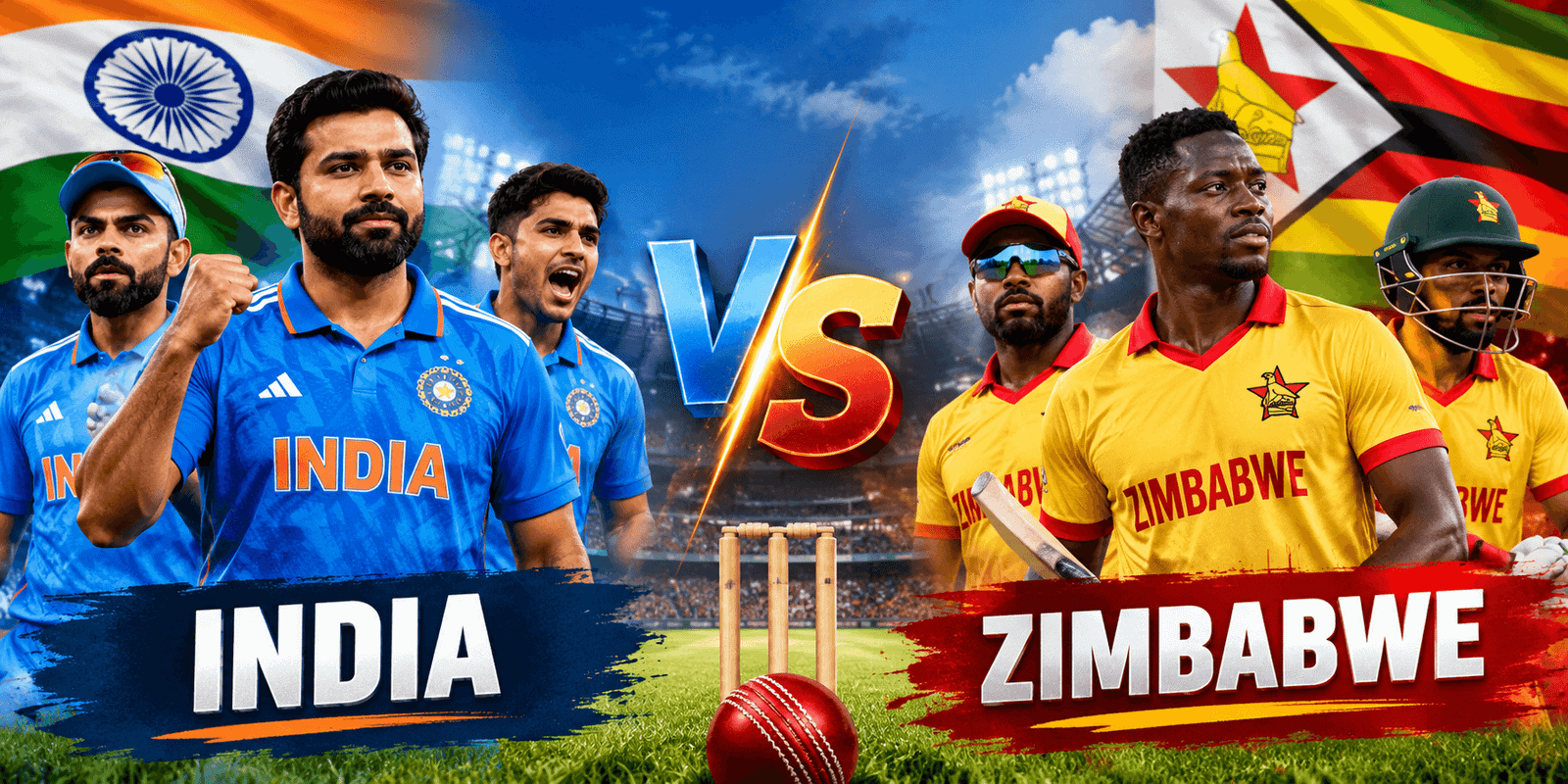
India and Zimbabwe have shared many memorable moments in international cricket. Their matches have featured famous World Cup performances, close finishes, strong batting displays and important bowling spells. India has usually held the advantage, but Zimbabwe has also produced victories that remain part of cricket history.
This article looks at the men’s international rivalry across Test, One Day International (ODI) and Twenty20 International (T20I) cricket. It explains the overall record, major results, notable players and the moments that shaped the contest. The numbers below reflect the record summary used for this article and should be refreshed against the official score databases before publication.
India vs Zimbabwe Head-to-Head Record: Quick Overview
| Format | Matches | India wins | Zimbabwe wins | Draws / ties |
|---|---|---|---|---|
| Test | 11 | 7 | 2 | 2 draws |
| ODI | 66 | 54 | 10 | 2 ties |
| T20I | 17 | 14 | 3 | 0 |
| Total | 94 | 75 | 15 | 4 |
India has won most meetings across all three formats. The largest difference appears in ODI cricket, where India has regularly used its batting depth and varied bowling attack to control matches. Test cricket has produced fewer games, including two draws. T20Is have brought a more recent chapter to the rivalry, with Zimbabwe occasionally challenging India through energetic bowling and fearless batting.
India vs Zimbabwe Test Head-to-Head Record
India’s Test Strength
India’s Test success against Zimbabwe has often come from disciplined batting and a bowling attack able to maintain pressure. Indian teams have generally had more experience in long-form cricket and a larger pool of specialist players. That depth has helped India manage different conditions and build match-winning positions.
Zimbabwe’s best opportunities have come when its batters have stayed at the crease and its bowlers have found movement or bounce. In Test cricket, patience is important. A strong partnership can change a session, while one spell can create several chances. Zimbabwe has shown that it can compete when it executes those basics well.
Zimbabwe’s Test Wins
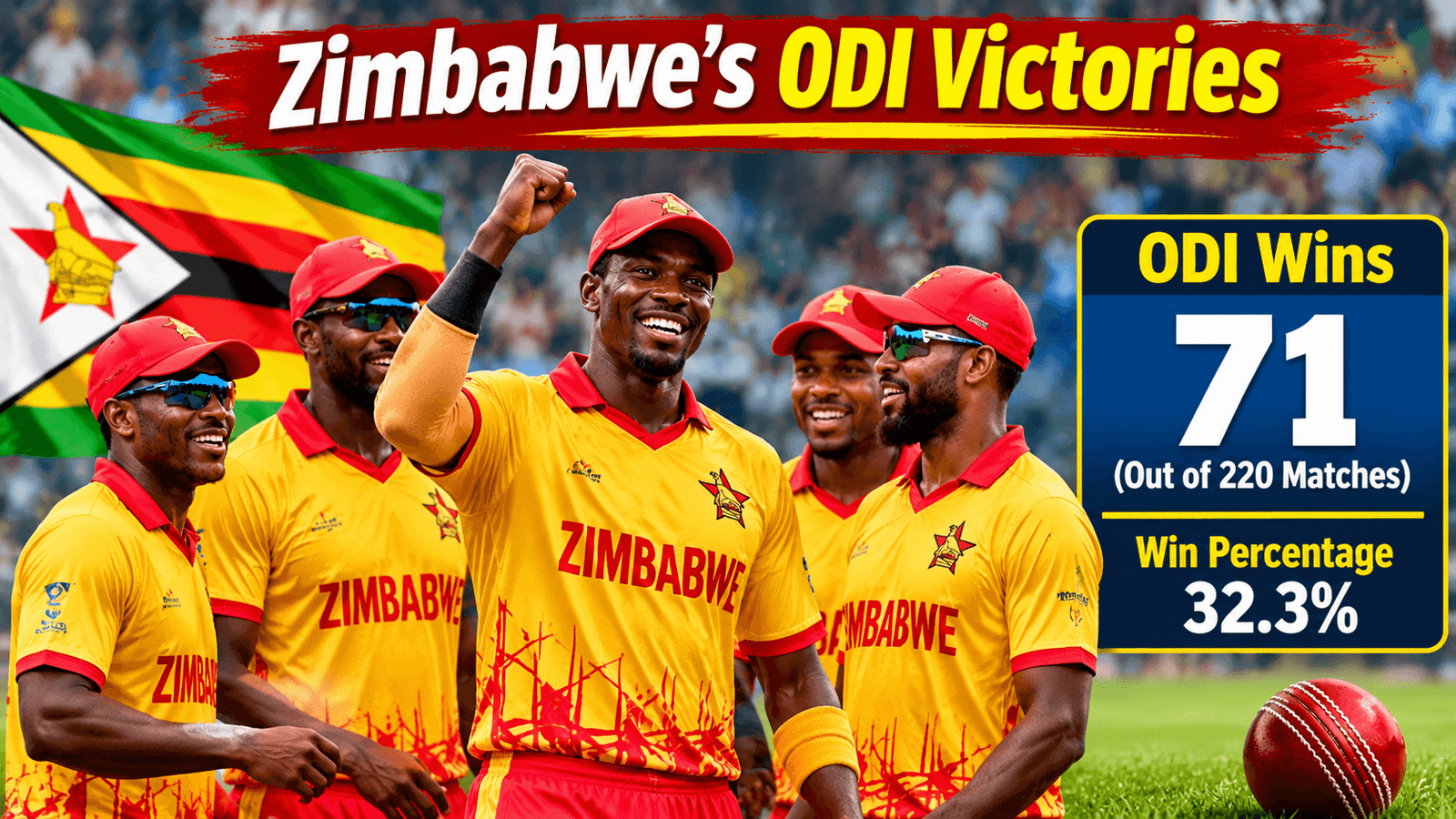
Zimbabwe’s victories over India are important milestones for the team. They demonstrate that the side can overcome a stronger opponent with a complete performance. Such wins usually require useful runs from the top order, support from the middle order and bowlers who keep the pressure on for long periods.
Test results should not be judged only by the final score. The match context matters, including the pitch, the team selected, injuries and the balance between batting and bowling. Those details help explain why a smaller cricket nation can sometimes defeat a more established side.
India vs Zimbabwe ODI Head-to-Head Record
ODI cricket has been the most active part of this rivalry. India and Zimbabwe have played 66 matches in the record summary shown above. India has won 54, Zimbabwe has won 10 and two games have ended in ties. The format has created many memorable encounters because both teams have had opportunities to produce high-impact performances.
Why India Has Dominated ODIs
India’s ODI advantage comes from a combination of batting depth, experienced players and flexible bowling options. Indian teams have often been able to recover after early wickets or accelerate during the final overs. The side has also had specialist spinners, fast bowlers and all-rounders who can adapt to different match situations.
Zimbabwe has sometimes struggled to sustain pressure for the full 50 overs. Against India, a good start has not always been enough. The team needs partnerships, a strong finish and wickets at regular intervals. When Zimbabwe has achieved those goals, it has made the contest much closer.
Zimbabwe’s ODI Victories
Zimbabwe’s ODI wins against India are among the most meaningful results in its international history. The team has produced upsets through disciplined bowling, aggressive batting and sharp fielding. These victories also remind fans that rankings and reputation do not decide a match before the first ball.
Zimbabwe’s ability to challenge India has depended on its senior players and emerging talent working together. A settled top order can build a platform, while middle-order players can keep the run rate moving. Bowlers then need to defend the total with accurate lines and smart changes of pace.
India vs Zimbabwe T20I Head-to-Head Record
| Format | Matches | India wins | Zimbabwe wins | Draws / ties |
|---|---|---|---|---|
| T20I | 17 | 14 | 3 | 0 |
T20I cricket has added a fast and unpredictable dimension to the rivalry. In the record summary, India has won 14 of 17 matches and Zimbabwe has won three. The short format gives both teams fewer overs to recover from mistakes, so one partnership or one bowling spell can change the result quickly.
India’s T20I Approach
India’s T20I success has often been built around power hitting, flexible batting positions and a varied attack. The team can use aggressive openers to create a quick start and finish with players who can clear the boundary. Its bowlers also use pace changes, yorkers and spin to restrict scoring in the middle and death overs.
However, T20 cricket is not only about hitting sixes. Teams must choose when to attack, protect wickets and rotate strike. A strong bowling side can force batters to take risks. India has usually managed these phases well against Zimbabwe, but the format still leaves room for surprises.
Zimbabwe’s T20I Threat
Zimbabwe has earned T20I wins against India by playing with confidence and taking key opportunities. The team can be dangerous when its batters attack early and its bowlers strike before India settles. Good fielding is especially important because a single saved boundary or direct hit can influence a close match.
Zimbabwe’s younger players have also benefited from the format. T20 cricket gives them a chance to show power, athleticism and decision-making on a large stage. Strong performances against India can help build confidence for future international tournaments.
Memorable India vs Zimbabwe Matches
Kapil Dev’s 175 Not Out in the 1983 World Cup
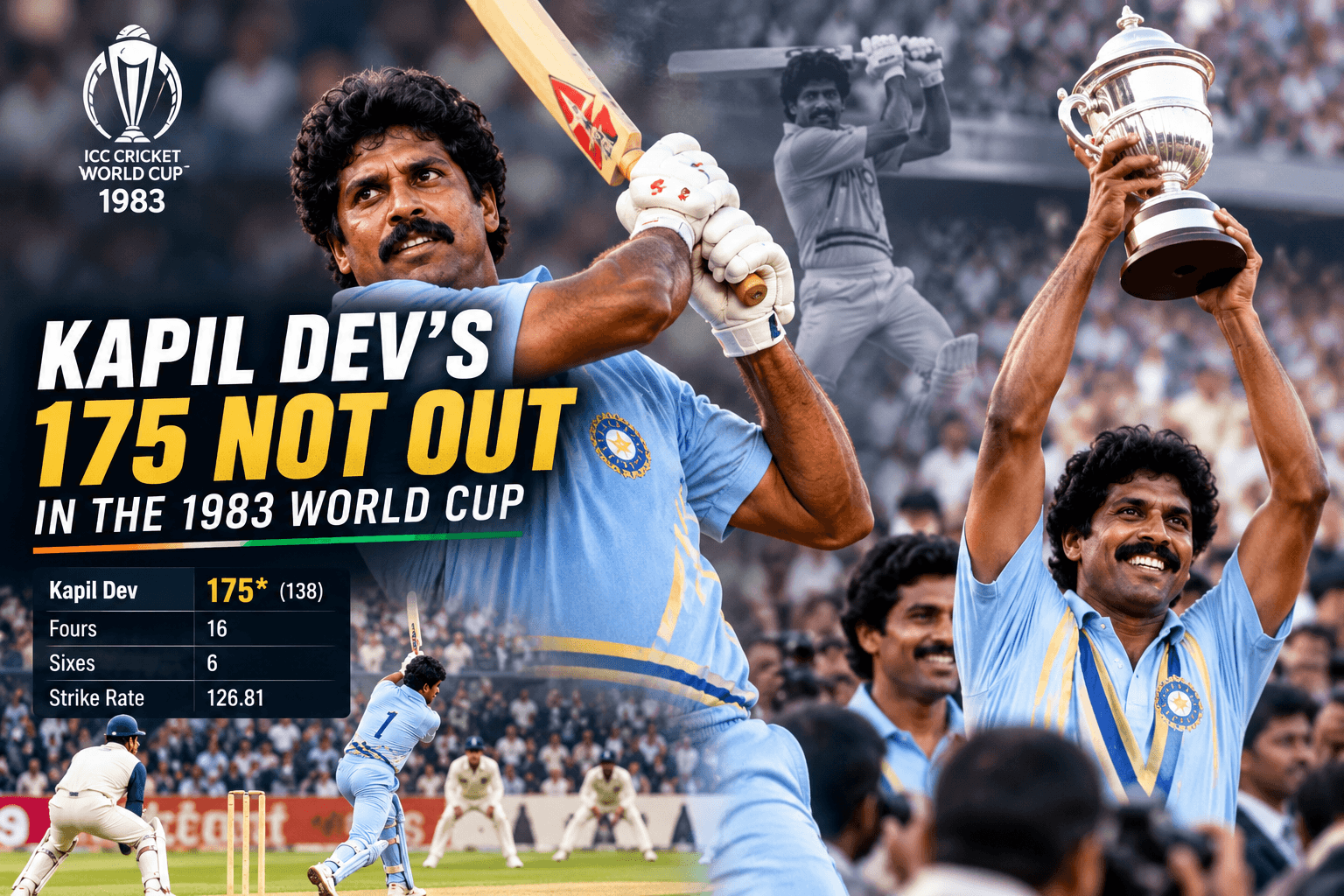
One of the most famous India-Zimbabwe matches took place during the 1983 ODI World Cup. India had lost several early wickets and was in serious trouble. Captain Kapil Dev responded with an unbeaten 175, rebuilding the innings and then attacking the bowling. His innings helped India reach a competitive total and win a match that kept its campaign alive.
The performance is remembered as one of the great World Cup innings. It showed how a captain can change a match through courage and smart shot selection. The innings also became part of the story of India’s eventual 1983 World Cup triumph.
Zimbabwe’s Upsets and Competitive Performances
Zimbabwe has produced memorable results against India in different eras. Its victories have often come when the team has played with discipline and taken advantage of pressure. These matches matter because they show the value of teamwork and preparation, especially when facing a highly rated opponent.
Close games also help both sides learn. India has had to respond to unexpected challenges, while Zimbabwe has gained experience against top-level players. The rivalry has therefore offered more than one-sided scorelines; it has created lessons in tactics, confidence and match awareness.
Top Batting Performances in India vs Zimbabwe Matches
Batting records in this rivalry include major innings from Indian stars and important contributions from Zimbabwean players. India’s strongest performances have often involved top-order batters building large totals or chasing targets with control. Zimbabwe’s best innings have shown how one player can keep a team competitive even when wickets fall around him.
| Batting feature | What it tells fans |
|---|---|
| Highest individual scores | Shows the biggest innings in the rivalry; verify the exact player and score from current scorecards. |
| Most runs | Measures long-term consistency across matches and formats. |
| Centuries | Highlights innings that shaped a match or series. |
| Best partnerships | Shows how batters rebuilt or accelerated together. |
| Successful chases | Demonstrates composure and planning under pressure. |
When comparing batting records, it is important to separate formats. A Test century requires patience over long periods, while ODI and T20I innings reward different scoring plans. The best figures should also be checked against the match scorecard, because records can differ when a list includes only one format or a particular competition.
Top Bowling Performances in India vs Zimbabwe Matches

Bowling has played a major role in this rivalry. India’s attack has often used spin to control the middle overs and fast bowling to take wickets with the new ball. Zimbabwe’s bowlers have also created pressure through accurate lines, variations and aggressive fielding support.
| Bowling record | Why it matters |
|---|---|
| Best innings figures | Shows the most influential bowling spell in one innings. |
| Most wickets | Rewards sustained success across the rivalry. |
| Best economy | Highlights bowlers who restricted scoring. |
| Five-wicket hauls | Shows spells that strongly affected the result. |
| Powerplay wickets | Measures early pressure and chances created. |
Bowling statistics should be read with the match situation in mind. A bowler who takes wickets while defending a small total may have a different role from one who attacks during a high-scoring game. Economy rate, strike rate and the number of overs bowled all help explain the performance.
India vs Zimbabwe: Key Differences Across Formats
| Format | Main challenge | What often decides the match |
|---|---|---|
| Test | Maintaining performance over several days | Partnerships, patience and sustained bowling pressure |
| ODI | Balancing wickets with scoring speed | Strong middle overs and a productive finish |
| T20I | Making decisions quickly | Powerplay impact, death bowling and fielding |
Each format requires a different plan. Test cricket rewards endurance and careful use of resources. ODI cricket asks teams to manage the innings in phases. T20I cricket places a premium on quick decisions, but teams still need to build partnerships and protect wickets.
Memorable India vs Zimbabwe Match Highlights
These moments help explain why the rivalry remains interesting beyond the overall win-loss record. They focus on a famous World Cup innings and the different ways teams can influence a match.
| Match or moment | Key detail | Why fans remember it |
|---|---|---|
| 1983 World Cup: India vs Zimbabwe | Kapil Dev scored an unbeaten 175 | India recovered from an early collapse and went on to win the match. |
| India’s successful match plans | Batting partnerships and pressure through the bowling attack | Shows how India has often controlled important phases of the contest. |
| Zimbabwe’s wins against India | Disciplined bowling, partnerships and sharp fielding | Reminds fans that Zimbabwe can challenge India when it executes its plans. |
Players Who Have Shaped the Rivalry
Several generations of Indian players have contributed to the team’s strong record. Batters such as Sachin Tendulkar, Sourav Ganguly, Virat Kohli and other leading players have helped India build totals and chase targets. Bowlers have added value through wickets, control and pressure at important moments.
Player comparisons should be made carefully. A batter’s total runs can be affected by the number of matches played, while averages and strike rates reflect different roles. Bowling figures also depend on format, overs and conditions. A fair comparison considers both the numbers and the match context. For more cricket-related updates, visit online cricket betting.
What the Head-to-Head Record Tells Us
The overall record clearly favours India. The team has won more matches in Tests, ODIs and T20Is in the summary presented here. India’s larger player pool and long-standing experience at the highest level have contributed to that advantage.
At the same time, Zimbabwe’s wins show that the rivalry is not simply decided by reputation. Strong bowling, fearless batting and fielding can create opportunities against any team. India must still prepare carefully, while Zimbabwe can use every competitive performance to build confidence and improve its standards.
Head-to-head records are useful, but they do not predict the next match with certainty. Conditions, team selection, player form and the toss can all affect the result. Fans should treat historical statistics as context rather than a guarantee.
Frequently Asked Questions
Who has won more matches between India and Zimbabwe?
India has won more matches across the three international formats in the record summary used in this article. Zimbabwe has also recorded wins, including memorable performances in ODI and T20I cricket.
What is India’s Test record against Zimbabwe?
The summary lists 11 Test matches, with India winning seven, Zimbabwe winning two and two ending in draws.
What is India’s ODI record against Zimbabwe?
The summary lists 66 ODIs. India has won 54, Zimbabwe has won 10 and two matches ended in ties.
What is India’s T20I record against Zimbabwe?
The summary lists 17 T20Is, with India winning 14 and Zimbabwe winning three.
What is the most memorable India vs Zimbabwe match?
Kapil Dev’s unbeaten 175 against Zimbabwe in the 1983 World Cup is among the most memorable. India recovered from a difficult position and won the match.
Can Zimbabwe beat India in future matches?
Yes. Historical records favour India, but every match starts with a new opportunity. Zimbabwe can compete by building partnerships, taking wickets and fielding well.
Conclusion
The India vs Zimbabwe head-to-head record shows India’s long-term dominance across international cricket. India has been especially successful in ODI matches, while Test and T20I results also favour the Indian team. Zimbabwe’s victories remain important because they highlight the team’s ability to challenge a major cricket nation.
From Kapil Dev’s unforgettable World Cup innings to modern T20I contests, this rivalry has created moments that fans continue to discuss. The records offer a useful view of past results, but the next match will depend on preparation, conditions and performance on the day. For the most accurate current totals, confirm the latest scorecards before updating this article.